
Understanding the psychological triggers behind gambling behavior
The Allure of Gambling: Understanding Motivations
Gambling captivates many individuals, drawing them in with the promise of excitement and the potential for substantial rewards. At its core, the allure of gambling is deeply intertwined with various psychological triggers that play on human emotions and desires. People often engage in gambling as a means to escape reality, seeking thrills that can momentarily alleviate stress or boredom. This escapism is a powerful motivator, as the excitement of potential winnings can overshadow the associated risks. For those interested in exploring these dynamics further, westacee.uk offers insightful resources and a rich gaming experience.
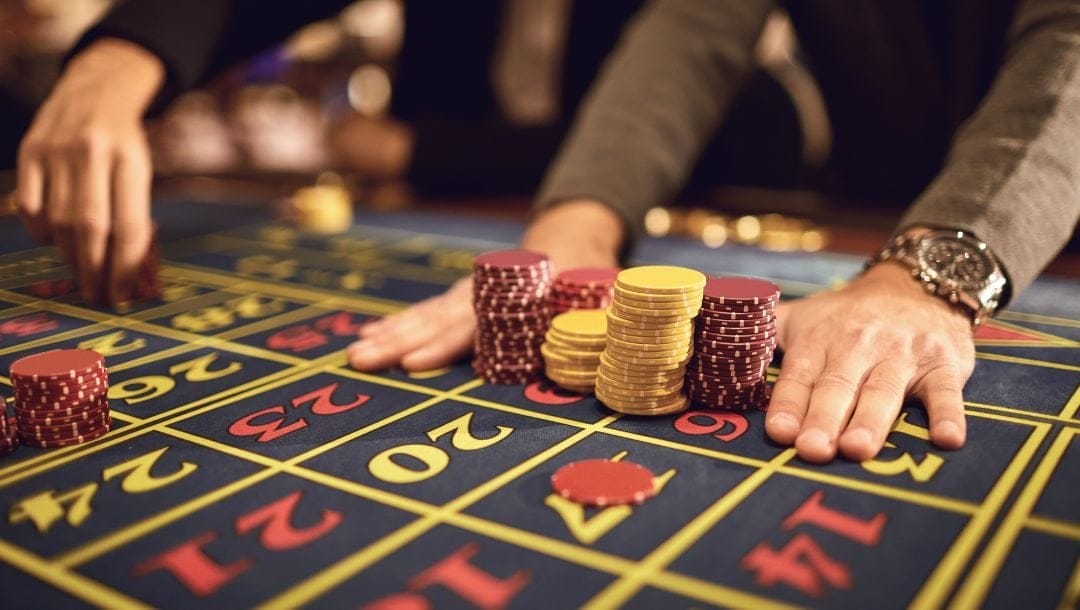
Moreover, the social aspects of gambling cannot be overlooked. Many individuals are influenced by their peers or social circles, leading to communal gambling experiences that can enhance the enjoyment factor. The concept of ‘social proof’ suggests that people are more likely to engage in activities that they see others enjoying. As such, environments like casinos, where the atmosphere is charged with excitement and camaraderie, can amplify the urge to gamble. This social dynamic is an essential psychological trigger that compels individuals to participate.
In addition to social influences, the thrill of uncertainty plays a significant role in gambling behavior. The unpredictability of outcomes creates a compelling experience, often referred to as “near-misses,” where players come tantalizingly close to winning. This phenomenon can result in increased engagement, as individuals feel a heightened sense of hope and excitement. In many cases, the emotional highs and lows associated with gambling can create an addictive cycle, where the individual is drawn back in, seeking to replicate those feelings of euphoria.
Cognitive Biases and Gambling Decisions
Cognitive biases significantly shape the way individuals approach gambling, often leading to irrational decision-making. One of the most common biases is the “gambler’s fallacy,” where individuals mistakenly believe that past events influence future outcomes. For example, a player might feel that a losing streak must be followed by a win, leading them to gamble more in hopes of breaking the streak. This flawed reasoning can contribute to an overestimation of winning chances, ultimately reinforcing continued gambling behavior.
Another prevalent cognitive bias is the illusion of control, where gamblers believe they can influence the outcomes of games of chance. This belief is particularly strong in games like poker or blackjack, where players feel that their skills can sway the game’s results. Such perceptions can lead individuals to gamble more frequently, as they feel empowered by their supposed ability to control their fate. Understanding these biases is crucial for recognizing the psychological mechanisms that fuel gambling tendencies.
Additionally, the availability heuristic plays a role in gambling behavior. People often assess the likelihood of winning based on recent experiences rather than statistical probabilities. If a player has seen someone win big at a slot machine or poker table, they may overestimate their chances of a similar outcome. This misjudgment can lead to a continual cycle of gambling, as the perception of potential success outweighs the reality of the odds involved.
The Emotional Roller Coaster of Gambling
The emotional journey of gambling is a significant factor in its appeal and potential dangers. Initially, players often experience excitement and anticipation, fueled by the prospect of winning. This emotional high can quickly transition to anxiety or frustration, particularly when losses occur. The shifting emotional landscape plays a vital role in how individuals respond to gambling situations. For many, the thrill of a big win can lead to further gambling, in hopes of replicating that joy.
Moreover, the after-effects of gambling can significantly affect one’s mental state. Winning can provide a temporary boost in mood, but losses can lead to feelings of guilt, shame, or despair. These emotions can create a cycle where individuals gamble more to recover losses, further exacerbating their emotional distress. This connection between emotional highs and lows can be a catalyst for developing problematic gambling behavior.
Understanding the emotional triggers associated with gambling can be essential for recognizing when recreational gambling has turned into a compulsive behavior. Awareness of one’s emotional state before and after gambling can help identify harmful patterns. For those who struggle with the emotional aftermath of gambling, support groups or counseling can provide effective avenues for coping and recovery.
The Role of Environment in Gambling Behavior
The environment in which gambling occurs significantly influences the behavior of players. Casinos, for instance, are designed to stimulate the senses and create a unique atmosphere that encourages prolonged engagement. Bright lights, loud sounds, and the scent of complimentary drinks work together to create an immersive experience that can heighten excitement and desire to gamble. This carefully crafted environment can make it difficult for individuals to leave, even when they are losing money.
Online gambling platforms are also designed with psychological triggers in mind. Features such as instant feedback on wins or losses, notifications of jackpots, and enticing graphics contribute to an engaging experience. These elements can create a sense of urgency, pushing players to gamble more frequently. The convenience of access to online casinos can further increase gambling behaviors, as individuals may find themselves playing at any hour, often in isolation.
Understanding the impact of the gambling environment helps to highlight the external factors that contribute to gambling behavior. Recognizing these triggers can empower individuals to make more informed decisions about their gambling habits. It’s essential to create awareness around these elements to promote healthier gambling practices and encourage responsible gaming.

Finding a Safe Gaming Experience with WestAce
As the landscape of gambling continues to evolve, finding a safe and enjoyable platform is essential for a responsible gaming experience. WestAce, an online gaming destination, emphasizes player safety while offering an impressive array of slots and live dealer games. By prioritizing secure payment options and implementing responsible gaming practices, WestAce ensures that players can focus on their enjoyment without compromising their well-being.
New players at WestAce are welcomed with an enticing bonus package that enhances their gaming experience, demonstrating the platform’s commitment to providing value. The 400% bonus up to €15,000 and 400 free spins are designed to give players a head start in their gaming adventures. This not only increases potential winnings but also encourages responsible play through the variety of available games, allowing players to explore different options.
With 24/7 customer support, WestAce aims to provide an engaging and supportive environment for all players. This round-the-clock assistance ensures that any questions or concerns are addressed promptly, contributing to a seamless gaming experience. By focusing on responsible gaming and player satisfaction, WestAce stands out as a premier choice for those looking to enjoy the excitement of online gambling while prioritizing their safety and well-being.