
The Thrill of Gambling: Understanding the Attraction
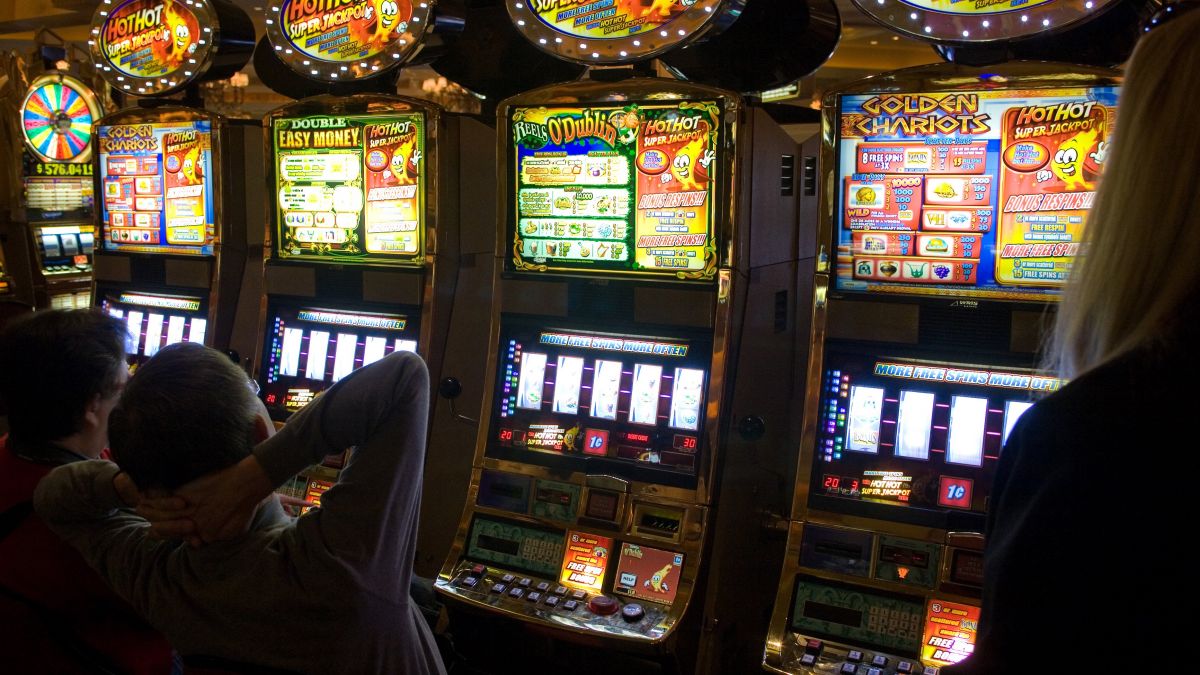
The attraction to gambling, especially in a casino environment, is deeply rooted in human psychology. The unpredictable nature of games appeals to our desire for excitement and risk-taking. This thrill can trigger the brain’s reward system, releasing dopamine, which reinforces the behavior associated with winning. Casinos are designed to amplify these feelings, immersing players in an environment where their senses are stimulated through vivid lights, sounds, and scents, including the glitz of bitcoin casinos.

Furthermore, the social aspect of gambling cannot be overlooked. Many individuals find camaraderie in shared experiences, whether it’s the excitement of a slot machine win or the intensity of a poker game. This sense of belonging enhances the overall experience and can obscure the potential for loss, making the allure of winning even stronger.
The Role of Cognitive Biases in Gambling Success
Cognitive biases significantly influence decision-making in gambling. Most prominently, the “gambler’s fallacy” leads players to believe that past events can predict future outcomes. For instance, a player may assume that a number is “due” to win based on previous spins, even though every spin of the wheel is independent. This illusion of control can encourage further betting, often leading to greater losses.
Another cognitive bias at play is the “illusion of skill,” where players perceive that their strategies can significantly affect outcomes. Games of chance, such as slot machines, rely purely on luck, yet many gamblers convince themselves that their approach enhances their likelihood of winning. This belief can perpetuate the gambling cycle, as players chase after losses with the hope that their next bet will yield success.
Emotions and Their Impact on Betting Behavior
Emotions play a critical role in gambling behavior. Winning can elicit feelings of joy and excitement, creating a powerful desire to continue playing. Conversely, losses can lead to frustration or even desperation, prompting players to bet more in an attempt to recover their losses. This emotional rollercoaster can cloud judgment, causing individuals to make irrational decisions that move them further from their original intent.
Moreover, the concept of “chasing losses” is a common phenomenon in gambling psychology. When players experience a string of bad luck, they may feel compelled to increase their bets in hopes of recouping their losses. This behavior often leads to further financial trouble, highlighting the need for awareness of one’s emotional state while gambling. Understanding these emotional triggers can ultimately help players make more informed decisions.
Strategies for Responsible Gambling
While the thrill of winning at the casino is enticing, it is crucial to approach gambling responsibly. Understanding one’s limits and setting strict budgets can help mitigate the risks associated with impulse betting. Awareness of psychological factors at play can empower players to recognize when emotions are influencing their decisions, prompting them to take breaks when needed.
Furthermore, developing a clear understanding of the odds associated with different games can lead to more strategic decisions. Recognizing that the house always has an edge can help gamblers set realistic expectations, reducing the likelihood of falling into the traps of cognitive biases and emotional betting. By cultivating a responsible mindset, players can enjoy the excitement of casinos while minimizing potential negative outcomes.
Discover More at Ancient-Egypt.org
While this article explores the psychology behind casino gambling, Ancient-Egypt.org provides a wealth of knowledge on a different type of fascination: ancient Egyptian culture and history. This website serves as a valuable resource for those interested in the rich narratives and archaeological wonders of ancient Egypt, offering articles and research that engage and educate.
By diving into the contents of Ancient-Egypt.org, visitors can expand their understanding of historical contexts that shaped civilizations. Just as psychology plays a vital role in gambling, the historical insights available on this site can enhance one’s appreciation for the complexities of human behavior throughout time.